How to Prepare for an Estate Sale: The Denver Staging Guide

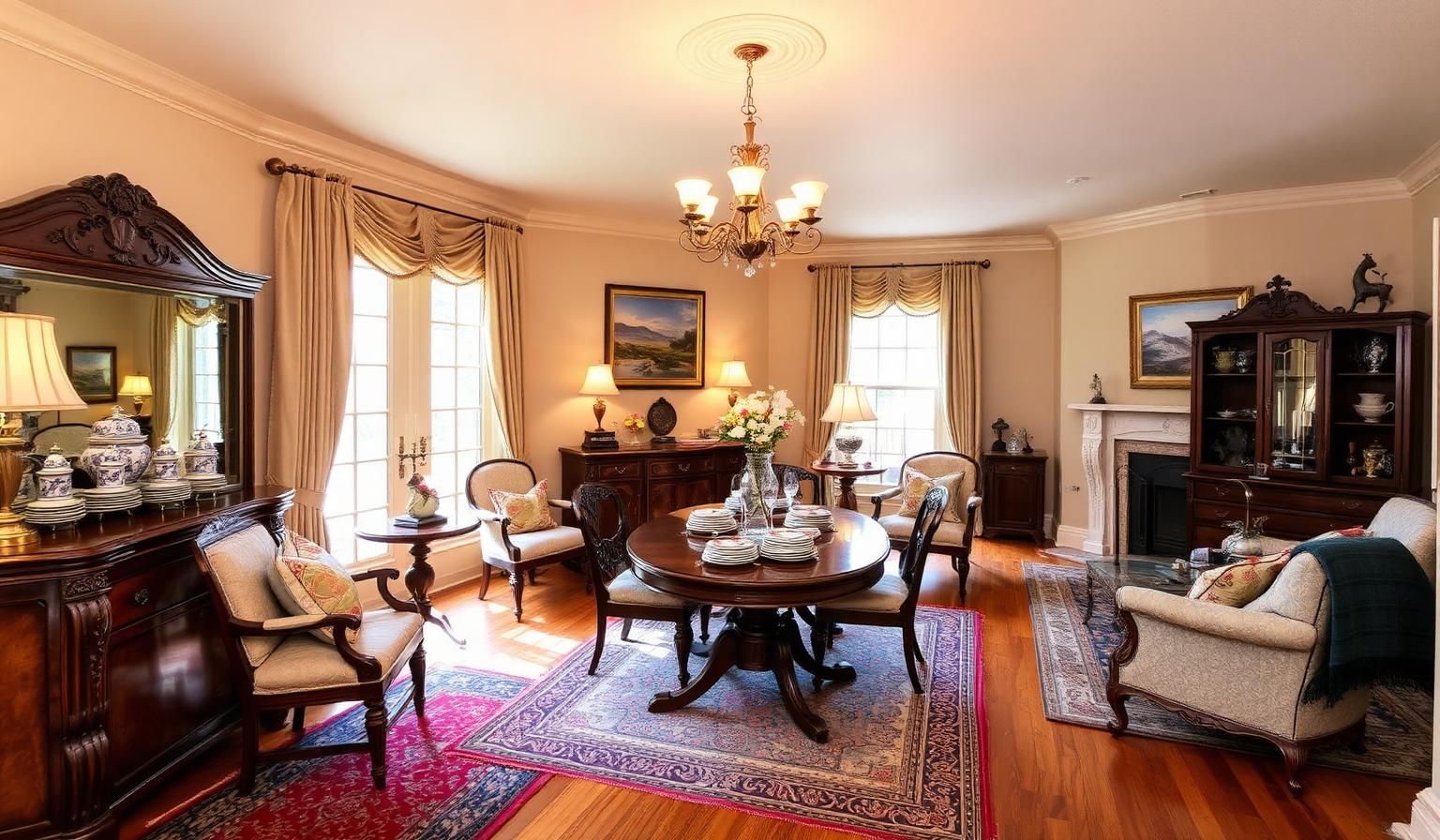
The single biggest lever you control before an estate sale starts isn't pricing — it's staging. How a home is arranged, lit, and presented can swing final sale totals by 20–40%. In Denver's competitive estate market, where buyers compare your listing against a dozen others on any given weekend, professional staging is what turns a "decent sale" into a record-breaking one.
This guide walks through exactly how to prepare for an estate sale in Denver, room by room, with the same staging playbook our team at JSG Liquidators uses to maximize value on every project across the Front Range.
Why Estate Sale Staging Matters in Denver
Denver buyers — both in-person shoppers and online auction bidders — are visual. A scratched mid-century dresser shoved against a cluttered wall photographs as junk. The same dresser, pulled into the light, polished, and styled with a lamp and a small ceramic piece, photographs as a $400 designer find. Nothing about the dresser changed except its presentation.
In our experience running hundreds of Denver-area liquidations, professionally staged sales consistently outperform unstaged ones by 25–35% in gross revenue. That difference covers the cost of professional help several times over and often determines whether the estate clears in 7–10 days or drags on for weeks.
Step 1: Do Not Throw Anything Away
This is the most important rule of preparing for estate liquidation, and the one families violate most often. Before a professional walks through, well-meaning relatives bag up "obvious junk" and haul it to the dump. That junk almost always contains the highest-margin items in the house.
Costume jewelry hidden in a sock drawer can be sterling. The dusty box of old comics in the basement can be worth thousands. Vintage Pyrex, old fishing lures, military patches, license plates, Hot Wheels in original packaging, and out-of-print cookbooks all sell for serious money in 2026 — and all look like clutter to an untrained eye.
Rule of thumb: if it's older than you are, leave it for the appraiser.
Step 2: Clean, but Don't Restore
Buyers want to see what they're bidding on. A light cleaning — dusting, vacuuming, wiping down glass and chrome — pays for itself many times over. But never refinish furniture, polish silver to a mirror, or repaint anything. Original patina is part of the value, and "restored" antiques sell for a fraction of untouched ones.
Specific cleaning priorities before a Denver estate sale:
- Wash windows so natural Colorado light fills the rooms
- Vacuum carpets and sweep hardwood floors
- Dust shelves, china cabinets, and display surfaces
- Empty and wipe down the refrigerator and oven
- Replace burnt-out bulbs — lighting is everything
Step 3: Sort, Don't Stash
Group like with like. All the kitchenware on the kitchen table. All the tools in the garage on a workbench. All the linens folded on the bed. This isn't just organization — it's how buyers shop. A pile of mixed items reads as "junk lot." A neatly grouped collection of cast iron skillets reads as "$300 set."
Avoid the temptation to stash family-claim items in a "do not sell" room. Mark them clearly with painter's tape or move them out of the home entirely before the sale begins. Items that disappear mid-sale create chaos and lost revenue.
Step 4: Stage Room by Room
Living Room
Pull furniture away from walls slightly so buyers can walk around each piece. Style sofas with a folded throw and a single decorative pillow. Place a lamp on every end table and turn them on — even during the day. Empty bookshelves of obvious clutter, then re-style with a mix of books standing and stacked, broken up by a vase or a framed photo.
Dining Room
Set the dining table. A full place setting with china, crystal, and silverware turns a $200 table into a $600 lifestyle moment. Pull out the china cabinet contents and display them on the table and sideboard rather than hiding them behind glass.
Kitchen
Clear all counters except for two or three styled vignettes — a stand mixer with a cookbook, a vintage canister set, a wooden cutting board with copper pots above. Group small appliances on the kitchen island. Open cabinet doors slightly so buyers can see what's inside without opening every door themselves.
Bedrooms
Make every bed. Display jewelry on the dresser top in a small tray rather than buried in drawers. Open closets and face all hangers the same direction. Hang vintage clothing rather than folding it — drape, draped, dresses photograph better than piled ones.
Garage and Basement
These are usually where the highest-value items hide and the worst staging happens. Pull tools out of toolboxes and lay them on a workbench. Display power tools with their cases. Group sporting goods — Denver buyers will pay a premium for skis, climbing gear, and bikes. Sweep the floor so the space doesn't read as a dumping ground.
Step 5: Photograph Like a Real Estate Listing
In 2026, most estate sale buyers — especially online auction bidders — decide whether to engage based on the photos. Modern Denver estate liquidators (including JSG) use AI-assisted cataloging that pulls product details from a single high-quality photo, so the better the staging and lighting at photo time, the better the listing and the higher the final hammer price.
Shoot during the brightest part of the day. Turn on every lamp. Use a wide-angle lens or phone setting. Take overall room shots, then close-ups of every notable piece — makers' marks, labels, signatures, and any visible damage.
Step 6: Bring in a Professional Before You Touch Anything Major
The fastest way to lose money preparing for an estate sale is to over-prepare. Families who spend a weekend "cleaning out" before calling a liquidator routinely throw away $5,000–$20,000 in sellable items without realizing it.
Bring a professional through first — ideally one offering a free walk-through and no upfront cost, like our Revenue Recovery model. A trained eye will spot the valuables, recommend which staging moves matter for your specific home, and handle the photography, listing, sale, and full cleanout from there.
The Denver Staging Checklist
- Don't throw anything away until a professional walks through
- Light clean only — never refinish or restore
- Group like items together in their natural rooms
- Pull furniture away from walls; turn on every lamp
- Stage the dining table with a full place setting
- Clear kitchen counters down to two or three vignettes
- Open closets, face hangers the same direction
- Pull garage and basement valuables into the light
- Photograph in bright natural light, lamps on
- Remove all family-claim items from the home entirely
Ready to Maximize Your Denver Estate's Value?
JSG Liquidators handles staging, photography, online auction, in-person sale, and full cleanout under one roof — with no upfront cost. Most Denver estates we take on clear within 7–10 days, fully staged and professionally presented to the widest possible buyer pool.
Call David at 805-444-4069 or Vinnie at 805-340-4817 for a free walk-through, or email jsgliquidators@gmail.com. We serve the entire Denver metro including Lakewood, Arvada, Aurora, Englewood, Centennial, and beyond.
Written by
David Billera
Co-Founder & Lead Liquidation Specialist
David Billera is the co-founder of JSG Liquidators and has personally overseen hundreds of estate liquidations across the Denver metro area. He specializes in antique valuation, online auction strategy, and custom plans that can combine sales with upfront-priced cleanout services.
Call David: (805) 444-4069